The Ultimate Guide to Punta Mita's Best Beaches
Published May 31, 2026 · updated July 26, 2026
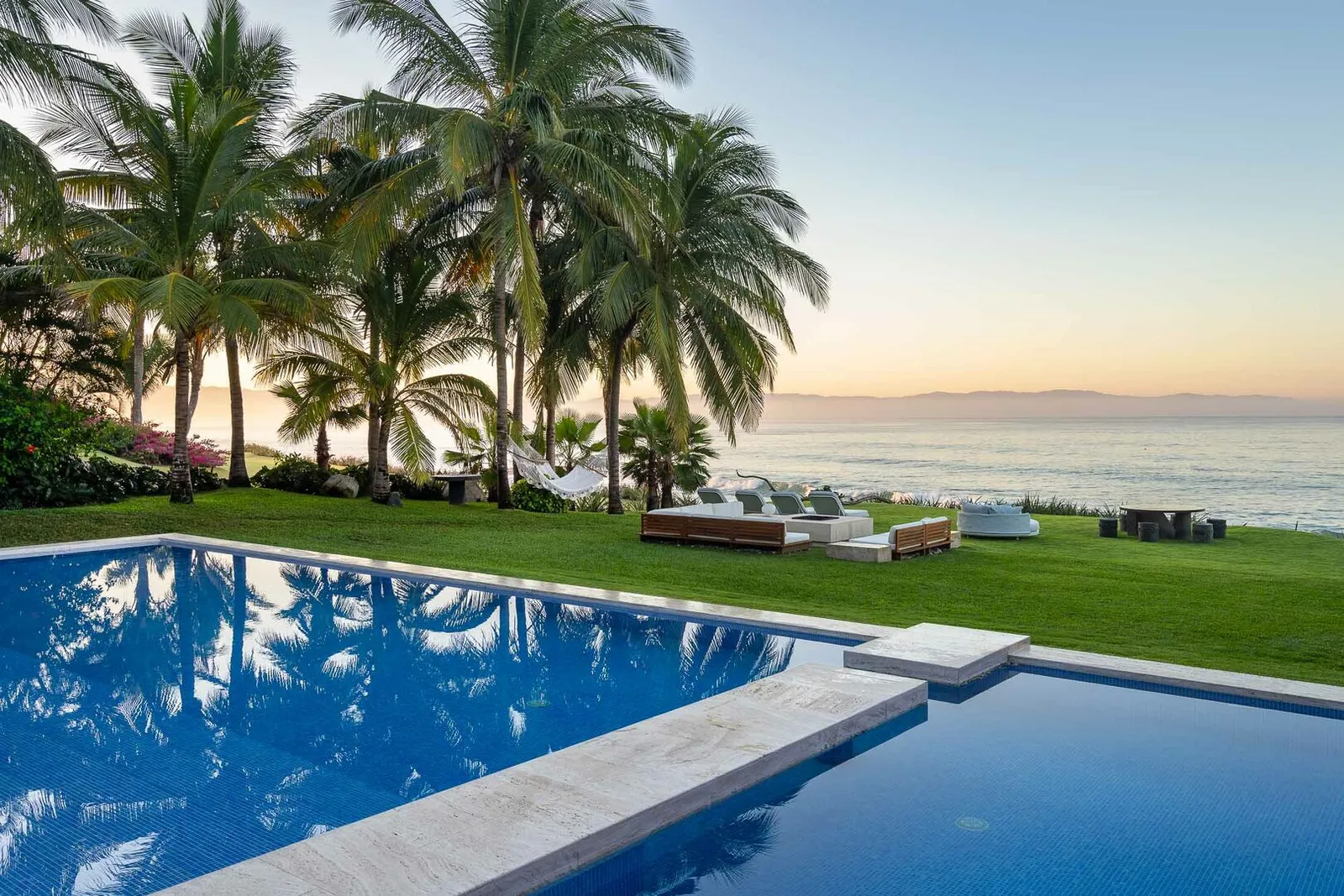
Punta Mita's beaches divide neatly along the shape of the peninsula: the sheltered southern side, where El Anclote and the resort beach clubs sit on calm, shallow water, and the exposed northern and western side, where La Lancha and the other surf breaks take the open Pacific. El Anclote is the social heart and the easiest water for families, La Lancha is the serious wave, Playa Punta de Mita at the tip has the clearest snorkeling, and Playa Destiladeras is the long walking beach. Choosing well is mostly a matter of matching the side of the peninsula to the kind of day you want.
A peninsula that faces three directions
Punta Mita is blessed with some of the most spectacular beaches on Mexico's Pacific coast. The peninsula's unique geography, a pristine headland jutting into the Pacific, creates a remarkable variety of beach experiences, from calm, crystal clear bays perfect for snorkeling to powerful surf breaks that attract wave riders from around the world.
The reason becomes obvious the moment you look at a map. The headland closes off the northern end of Banderas Bay and then keeps going west into open water. Beaches on the southern flank look back across the bay toward Puerto Vallarta and the Sierra Madre, sheltered from the prevailing swell and usually glassy by mid morning. Beaches on the northern and western flanks take the ocean head on, which is where the surf lives. Within the span of one small peninsula you can move from water that behaves like a swimming pool to water that behaves like an ocean, and the drive between the two is short enough that people do it in the same morning.
That same geography explains the light. The sun comes up over the mountains behind you and goes down into the water in front of you, which is unusual on this coast, where most towns face west and nothing else. From higher ground the Islas Marietas sit out on the horizon like two low grey ships, and they are the reference point everyone uses when giving directions.
The gateway is the Puerto Vallarta airport, a straightforward drive down the coast highway and then out along the peninsula. Almost every guest arrives that way, which means the first sight of the water is usually from the road, with the bay opening up on the left.
El Anclote, the social heart
El Anclote Beach is the social heart of Punta Mita, a lively stretch of golden sand lined with palapa restaurants serving fresh seafood and cold cervezas. The calm, shallow waters make it ideal for families, and local fishermen offer boat trips to the Islas Marietas, a UNESCO Biosphere Reserve famous for its hidden beach accessible only through a sea cave.
El Anclote is also the village, in the only sense that matters. The panga fleet is pulled up on the sand at one end, the restaurants run along the front, and the rhythm of the beach follows the boats: out early, back around midday with whatever the water gave up. If you want to eat the day's catch rather than read about it, this is where that happens, and it is worth walking the length of the sand before deciding where to sit.
The bottom shelves gently, so small children can wade a long way out without ever being over their heads, and a soft, forgiving wave breaks along the inside. That combination is why nearly every surf lesson on the peninsula begins here before anyone gets taken somewhere more serious. Guests staying at the outer end of the peninsula, in houses such as Casa Akai in La Punta Estates, tend to treat El Anclote as their default evening walk.
Playa Punta de Mita, out at the tip
Playa Punta de Mita offers a more secluded experience at the very tip of the peninsula. The beach here is pristine and relatively uncrowded, with dramatic views of the Islas Marietas and the open Pacific. Snorkeling conditions are exceptional, with clear water and abundant marine life.
The rock shelves at either end of the sand are the reason the snorkeling is so good. They hold structure, and structure holds fish, so you can put a mask on a few steps from your towel and find something worth looking at without a boat. Go in the morning. The water is at its clearest before the afternoon breeze picks up and starts moving sand around, and the wind here is reliable enough that locals plan around it rather than hoping.
During whale season, roughly November through March, this is one of the places where you can see spouts from dry land. Nobody promises anything, but people stand at the tip in the late afternoon for exactly that reason.
La Lancha, Burros and the surf side
La Lancha is legendary among surfers for its powerful, consistent left-hand break. This beach is a pilgrimage site for serious wave riders, but its rugged natural beauty also makes it worth visiting for non-surfers seeking a more dramatic, wild Pacific experience.
Getting there involves leaving the car near the highway and walking in through the trees, which filters the crowd better than any rule could. The reward is a long stretch of sand with jungle behind it and very little built on it.
The peninsula's other named breaks each have their own character. Burros is the friendlier point, a right hander that rolls for a long way and gives intermediate surfers something to work with. Veneros sits along the same stretch of coast and picks up swell readily. El Anclote, as noted, is where beginners start. Between them there is something rideable most of the year, and the local rule is the same everywhere: the wind decides. Mornings are usually cleaner.
Guests who plan their week around the water often look at Surf Residences, where PH Oasis sleeps up to eight, or at the villas on the ocean side of the development.
Playa Destiladeras, the long walk
Playa Destiladeras is a long, sweeping beach north of Punta Mita that remains relatively undiscovered by international tourists. The waves here are gentler, making it perfect for swimming and bodyboarding, and the backdrop of the Sierra Madre mountains creates a stunning visual contrast.
What Destiladeras really offers is distance. At low tide the sand goes wide and firm and you can walk for a long time without turning around, which is a rarer thing than it sounds on a developed coast. There are palapas along the front for shade and something cold, and the water is generally calm enough that a bodyboard is the most technical piece of equipment anyone needs. It is a good beach for the middle of a stay, when the ambition has worn off and a long walk followed by lunch is the whole plan.
The private beach clubs
Within the resort itself, Punta Mita's private beach clubs, accessible to villa guests through Premier Golf and Sport memberships, offer a more curated experience, with sun loungers, attentive service, and water sports equipment available throughout the day.
This is the part that surprises first time visitors, so it is worth being clear about how it works. Access inside the gated development runs through the membership attached to the house you are staying in, not through the beach itself. Most villas in the MitaVillas collection carry a Premier Golf membership, some carry a Social membership, one carries Premier Sport, and a small number carry none at all. The practical effect is that two houses a few streets apart can open slightly different doors, so it is worth confirming what a given property includes before you build a week around it.
Villas in Pacifico Estates and Kupuri Estates generally come with Premier Golf, while Villa Ava, in the Four Seasons Villas, carries Premier Sport. Golf carts are the normal way to move between a villa and a club, and the clubs are where the towels, the loungers and the water sports equipment live.
Up the coast: Sayulita and San Pancho
North of the peninsula the coast changes character. Sayulita is loud, painted, crowded in the best sense, with a beginner friendly wave, market stalls up every side street and a permanent surf town atmosphere. It is a short drive up the coast and it works best as an afternoon and evening rather than a full day.
San Pancho is a little further and much quieter, a single main street running down to a beach that is beautiful and often too rough for casual swimming. Between them they give you a useful counterweight to the calm of the peninsula, and most guests make the trip at least once in a week.
Seasons, tides and a few practical notes
The dry season, roughly November through May, is when the water is clearest and the days are consistently bright. The rainy season, roughly June through October, brings warm water, green hills and storms that mostly arrive in the late afternoon and evening rather than ruining whole days. Whale season overlaps the dry months, November through March.
A few things worth knowing. Tide makes a real difference to how wide these beaches are and how the snorkeling reads, so ask before you plan a specific spot. Not every beach here is patrolled, and the exposed side genuinely behaves like open ocean, so treat the surf beaches as surf beaches. The sun is stronger than it feels with a breeze on you. And the simplest advice of all: tell the villa team what kind of day you want, calm water or a real wave, and let them point you at the right side of the peninsula that morning.
Common questions
- Which beach in Punta Mita is best for young children?
- El Anclote is the usual answer. The water is calm and shallow, the bottom shelves gently so children can wade a long way out, and the palapa restaurants along the sand mean shade and lunch are a few steps away. The sheltered southern side of the peninsula is generally the calmer side.
- Are Punta Mita's beaches public?
- Beaches in Mexico are federal land and public, including the ones inside the development. What is private is the land you cross to reach them and the beach club facilities themselves, which is why access inside the gates runs through the membership attached to your villa. Beaches such as La Lancha and Destiladeras are reached from outside the gates.
- Do I need a membership to use a beach club?
- Yes. The beach clubs inside the development are tied to Premier Golf, Premier Sport and Social memberships, which come attached to the villa rather than to you. Most MitaVillas houses carry Premier Golf, a few carry Social or Premier Sport, and a small number carry none, so confirm what a specific property includes before booking around it.
- Where can I snorkel straight off the sand?
- Playa Punta de Mita at the tip of the peninsula is the most reliable choice, because the rock shelves at either end of the beach hold marine life close to shore. Mornings are clearest, before the afternoon breeze stirs the water. For the fullest snorkeling the Islas Marietas require a boat.
- Can I see whales from the beach?
- Sometimes, during the migration season from November through March. The tip of the peninsula and any high terrace facing the open water are the natural vantage points, and spouts are easier to spot than the animals themselves. Boat trips from El Anclote get you far closer.
- Which beach should a first time surfer start on?
- El Anclote, where the inside wave is soft and forgiving and most lessons on the peninsula begin. Burros is the natural next step, a right hand point that rolls a long way. La Lancha is a powerful left and is better left until you are genuinely comfortable.