Top Restaurants in Punta Mita: A Culinary Journey
Published May 31, 2026 · updated July 26, 2026
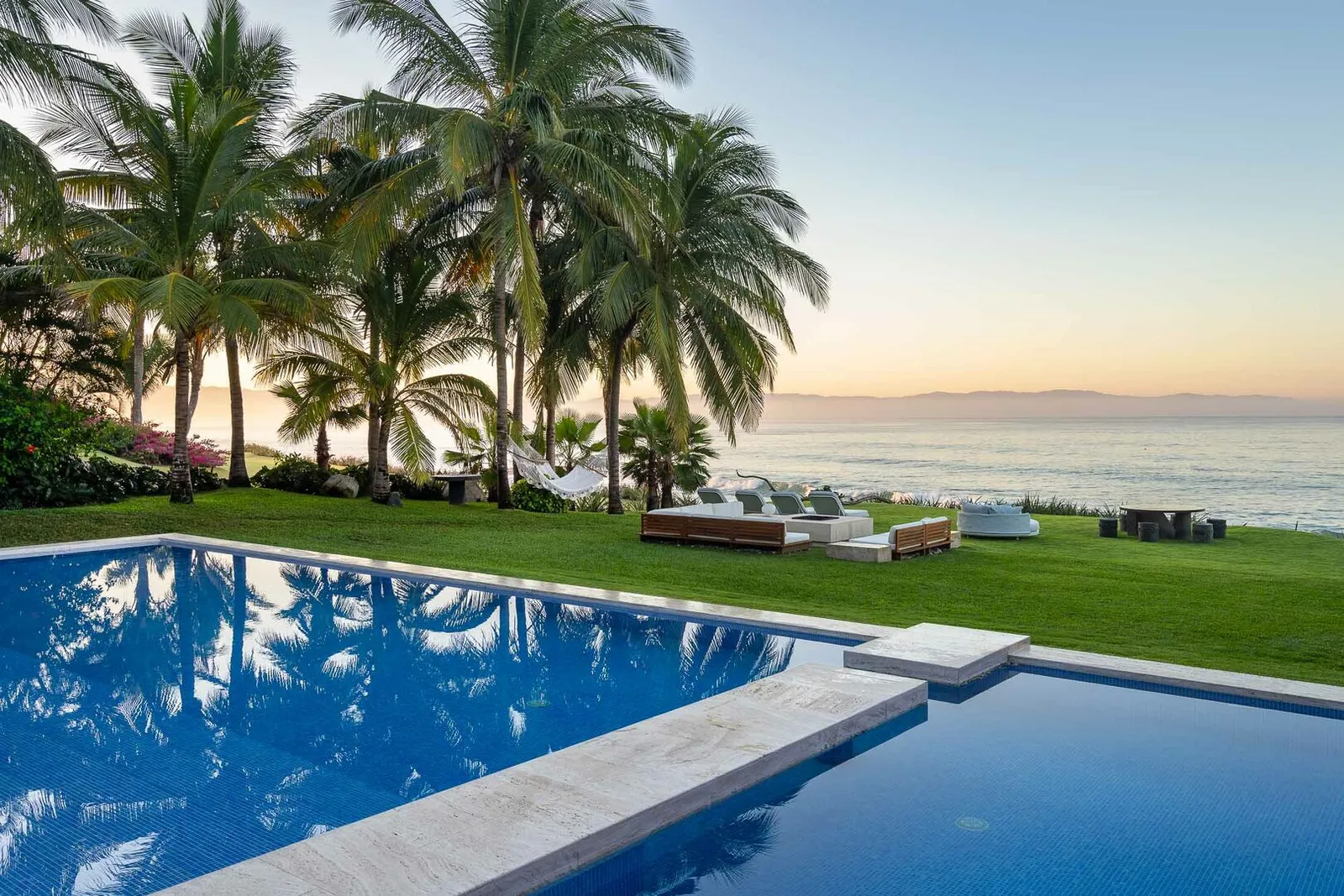
Punta Mita's dining runs from resort dining rooms such as Ketsi at the Four Seasons and Aramara at the St. Regis to beachfront tables in El Anclote village, where the fishing boats land the catch a short walk from the plate. A well planned week uses both ends of that spectrum, with a private chef in the villa on the nights nobody wants to leave. Because the peninsula fills up in the winter months, the resort evenings are worth deciding on early rather than late.
A peninsula that eats what it lands
Punta Mita's dining has changed dramatically over the past decade. What was once a handful of simple beachside eateries has become a sophisticated culinary destination that stands alongside the finest resort areas in Mexico, and it managed that without the village at its centre losing its character.
Geography explains most of the cooking. Punta Mita is a headland that pushes west into the Pacific at the northern edge of Banderas Bay, with water on three sides and the Sierra Madre standing behind it inland. The open ocean off the north and west shores gives up tuna, dorado, wahoo and marlin. The sheltered bay to the south gives up snapper, shrimp and oysters. Farmland begins just behind the coast, which is why the vegetables on a good plate here taste like they were picked rather than shipped. A working fishing community still launches from the beach at El Anclote every morning, and the shortest supply chain on the peninsula runs from those pangas to a plate a few steps up the sand.
That is the frame to hold in mind. On one side of it sit the resort dining rooms, formal, quiet, technically exacting. On the other sit the palapas, where the fish is whole and the beer is cold. Almost every visitor who eats well here uses both, and the villa kitchen sits happily in the middle.
Ketsi at the Four Seasons
Ketsi is widely regarded as one of the finest dining experiences on the Riviera Nayarit. The restaurant combines traditional Mexican flavours with contemporary technique, working from locally sourced ingredients to produce dishes of extraordinary refinement. The Pacific views from the terrace add an unforgettable dimension to every meal, and they change the room completely depending on when you sit down: bright and blue at lunch, gold and then dark blue as the sun drops behind the water in the evening.
It is worth understanding the setting. The Four Seasons was the resort that opened this peninsula to visitors, and the property still sets the tone for how Punta Mita treats a guest. Villa guests are not cut off from any of it. Homes inside Four Seasons Villas sit within the resort grounds, and a house such as Villa Ava puts a party of eight inside that world with a private residence to return to afterwards. What a given villa opens up in terms of club access depends on the membership attached to the home, so it is worth confirming with the concierge before you plan an evening around it.
Aramara at the St. Regis
Aramara at the St. Regis offers a similarly elevated experience, with a menu focused on the freshest local seafood prepared with Japanese and Mexican fusion influences. The omakase tasting menu is the particular highlight, showcasing both the kitchen's creativity and the exceptional quality of what Nayarit's waters produce.
The pairing of those two traditions is less unlikely than it sounds. Mexico's Pacific coast has eaten raw fish with lime, chilli and salt for as long as anyone has kept track, and the aguachile of Sinaloa and Nayarit sits a very short conceptual distance from the sashimi counter. An evening at Aramara reads as a conversation between two coasts rather than a novelty, and it is at its best when the day's catch is doing the talking.
La Laguna, and the easy end of resort dining
La Laguna at the Four Seasons offers a more casual but equally memorable experience. The menu runs through Mexican classics, served in an open-air palapa overlooking a natural lagoon. The Sunday brunch has become a local institution, drawing resort guests and Punta Mita residents alike into a long, unhurried celebration of food and company.
This is the register most villa weeks actually settle into. You come off the golf course or in from the water, you are barefoot and salted, and you want something excellent without changing clothes for it. La Laguna answers that question, and Sunday there has a particular quality: nobody is in a hurry, the tables run long, and the afternoon simply extends.
El Anclote village
El Anclote Restaurante sits at the other end of the spectrum, a beloved beachfront institution where the whole emphasis falls on authentic, unpretentious Mexican cooking. The tostadas de atún, the aguachile and the whole grilled fish are legendary among regulars, and the setting is quintessentially Punta Mita: feet in the sand, cold beer in hand, fishing boats coming and going in front of you.
The village around it deserves an afternoon of its own. El Anclote is the strip of beach and low buildings just outside the gates, and it is a working place first and a dining destination second. It is also a surf break, one of the gentler ones on this stretch of coast and the reason a good part of the peninsula's longboard culture exists. Between the break and the pangas and the tables, an El Anclote lunch tends to run considerably longer than planned.
Guests in the homes closest to the point, such as those in La Punta Estates, often make the trip by golf cart and leave the car where it is. That single detail changes how a holiday feels. When lunch does not require a driver, you go more often, you stay longer, and you order the second round of aguachile.
The private chef, and the table you never leave
For villa guests, private chef services are arguably the finest table on the peninsula. The LuxMex concierge team can arrange talented local chefs to cook customised menus in the privacy of your villa, built around fresh ingredients from the local market and the day's catch from Punta Mita's fishing community.
This is where a villa earns its keep. A restaurant asks a group to be somewhere at a set time, dressed, and in one configuration. A villa dinner does not. Children eat early and disappear into the pool. The long table fills as people drift in from the beach. Somebody opens wine at five and somebody else is still at the table at midnight.
It scales in a way restaurants cannot. A house like Casa Tres Soles sleeps twenty, and Casa Familia in Kupuri Estates can hold a party of thirty. Booking a table for thirty anywhere on a Saturday in February is a difficult conversation. Serving thirty at home, with the ocean going dark beyond the terrace, is simply an evening.
The most useful thing to know is that the chef conversation works best when it starts early, before arrival. What people actually want tends to be specific: a taco night with everything on the counter, a whole zarandeado fish over coals, breakfast running quietly from seven until eleven so nobody is woken by a schedule.
What to order on this coast
Nayarit has its own cooking, distinct from anything you will have eaten in Mexico City or Oaxaca, and it is worth pointing yourself at it deliberately.
- Pescado zarandeado. The regional signature. A whole fish, butterflied, marinated and cooked over coals until the edges char. Ordered for the table, eaten with tortillas and salsa, and best in a place with sand on the floor.
- Aguachile. Raw shrimp in lime and chilli, served immediately. It is bracing rather than delicate, and it is the true test of a kitchen's fish supplier.
- Tostada de atún. The tuna tostada is the beach snack that ended up on tasting menus, and you will find versions of it at both ends of the peninsula's spectrum.
- Ceviche from a panga family. Simple, cold, and made from something landed that morning.
- Raicilla. The agave spirit of the sierra behind this coast, older in the region than tequila's fame and worth trying where someone can tell you about the bottle.
Eating beyond the gates
The coast north of the peninsula rewards a drive. Sayulita is the busy, colourful, surf-driven town that put this stretch of Nayarit on the map, and its eating runs from street stands to small, serious kitchens. San Pancho, a little further on, is quieter and more residential, and dinner there is a calmer proposition. Both are close enough for an evening out and far enough that you feel you have travelled.
Along the bay in the other direction sit the marina towns, where the fishing fleet and the sailing community overlap and the markets appear seasonally. Further along again is Puerto Vallarta, which is the gateway airport for Punta Mita and also, in its own right, one of the better eating cities on the Mexican Pacific. A night there is a legitimate use of a villa week, particularly at the start or end of a stay.
How to plan the eating week
A week that works usually looks something like this. Two evenings at the resort restaurants, chosen early rather than late, because the peninsula fills up in the winter months and the good tables go first. One long El Anclote lunch with no plans afterwards. One night up the coast in Sayulita or San Pancho. And the rest at home with a chef, which is where the memorable meals of most trips actually happen.
Leave gaps. The single most common regret here is a schedule too full to allow for the afternoon when nobody wants to move, the fish somebody brought back from the boat, or the second lunch that turned into dinner. The days arrange themselves around you here if you let them, and the food follows.
Common questions
- Can villa guests eat at the Four Seasons and St. Regis restaurants?
- Villa guests dine at the resort restaurants regularly, and homes inside the resort grounds sit closest to them. What a particular villa opens up in terms of club and resort access depends on the membership attached to that home, which is why the concierge confirms it before an evening is planned around it. Ask when you book rather than on arrival.
- Where do you eat with your feet in the sand?
- El Anclote, the village just outside the gates, is where the beachfront tables are. El Anclote Restaurante is the institution there, known for tostadas de atún, aguachile and whole grilled fish, with the fishing boats working in front of you. It is a working village first and a dining destination second, which is exactly what makes it good.
- Is a private chef better than going out?
- For groups it usually is. A chef in the villa lets children eat early, adults eat late and nobody drive, and it scales to numbers that are difficult to seat in a restaurant. The LuxMex concierge team arranges local chefs who build menus around market ingredients and the day's catch, and the conversation works best if it starts before you arrive.
- What should we order that is specific to Nayarit?
- Pescado zarandeado, a whole fish cooked over coals, is the regional signature and is meant to be shared. Aguachile and the tuna tostada are the other two dishes that define this coast. Raicilla, the agave spirit of the sierra behind Punta Mita, is worth trying where someone can talk you through the bottle.
- Is it worth leaving the peninsula for dinner?
- Yes, at least once. Sayulita and San Pancho up the coast are close enough for an evening out and different enough in character to feel like a trip. Puerto Vallarta, the gateway airport city along the bay, is also a serious eating city and makes sense at the start or end of a stay.